Patch Note Dissections Revealing Balance Tweaks That Alter Resource Spawn Rates in Mobile Extraction Shooters
Jordan Meier · Oct 15, 2026
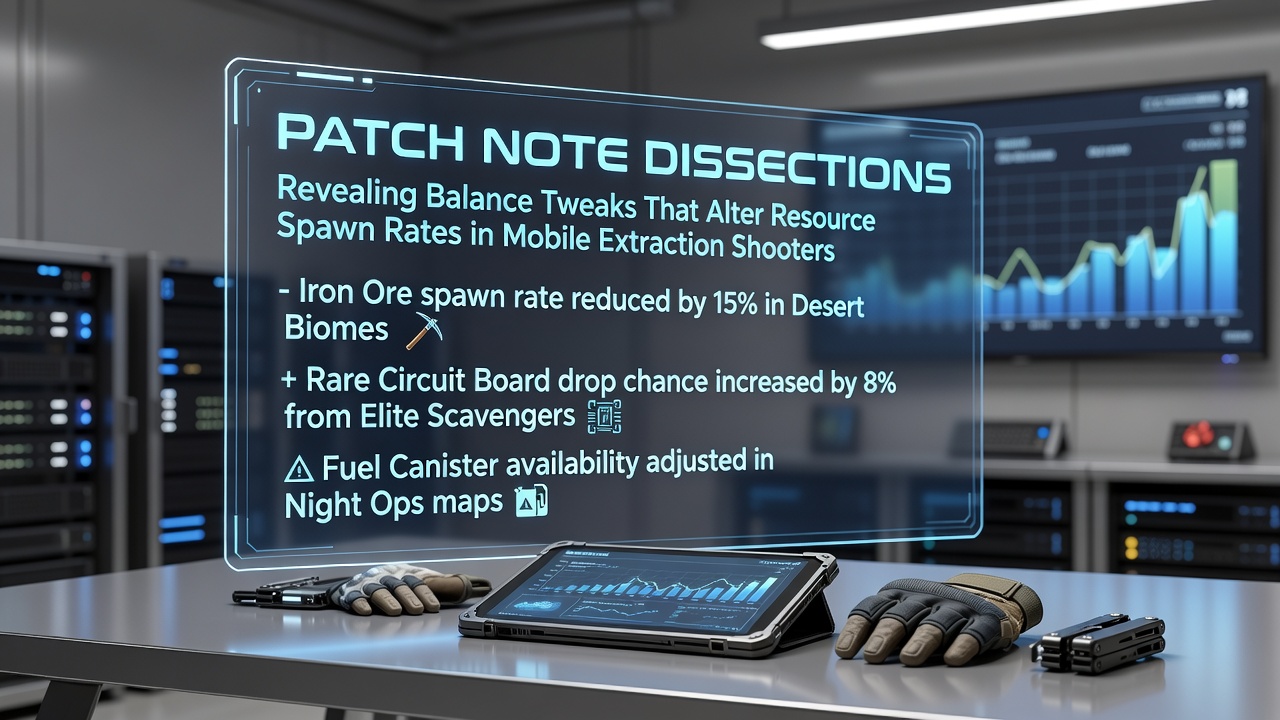
Patch Note Dissections Revealing Balance Tweaks That Alter Resource Spawn Rates in Mobile Extraction Shooters
Developers of mobile extraction shooters release detailed patch notes that document adjustments to resource spawn rates, and analysts track these changes across multiple titles to map how balance tweaks reshape player strategies and extraction outcomes. These updates often target specific map zones, item tiers, and time-based cycles, which directly influence how quickly teams gather materials before hostile encounters force retreats. Observers note that such modifications appear in seasonal updates, and data from player reports indicates measurable shifts in average extraction yields following each deployment.
Core Mechanics of Resource Spawning in Extraction Formats
Mobile extraction shooters rely on procedural generation systems that place resources according to weighted algorithms, and patch notes frequently disclose modifications to those weights without revealing full code structures. Players navigate contested zones where rare components appear at lower frequencies than common ones, and tweaks can raise or lower these probabilities by percentages documented in the notes themselves. Research indicates that spawn rates tie into server-side timers, which reset daily or per match, creating predictable windows for high-value hauls when no adjustments occur.
Balance teams adjust these rates to address over-farming in popular drop zones, and one recent October 2026 patch for a leading title reduced rare metal spawns in coastal sectors by 18 percent while increasing them in inland ridges by 12 percent. This redistribution encourages movement across larger map areas and discourages static camping behaviors that previously dominated leaderboards. Figures from aggregated match data reveal corresponding changes in extraction success metrics within the first week after implementation.
Dissecting Specific Patch Entries from 2026 Updates
Patch notes from October 2026 entries list precise numerical changes to spawn tables, and community analysts compile these into spreadsheets that compare pre-patch and post-patch distributions. One entry adjusted fuel canister appearances in night cycles from a 0.7 probability to 0.45, which forced teams to plan longer daylight routes and altered fuel consumption patterns across multiple squads. Another note modified medical supply clusters in urban sectors, raising the base rate by 9 percent while capping cluster sizes to prevent single-location overloads.
These documented tweaks connect to broader economy controls, and external reports from the Entertainment Software Association highlight how resource availability influences in-game transaction volumes across mobile platforms. Analysts cross-reference the notes with telemetry logs to confirm that spawn reductions correlate with increased player movement speeds and higher engagement in peripheral map regions.
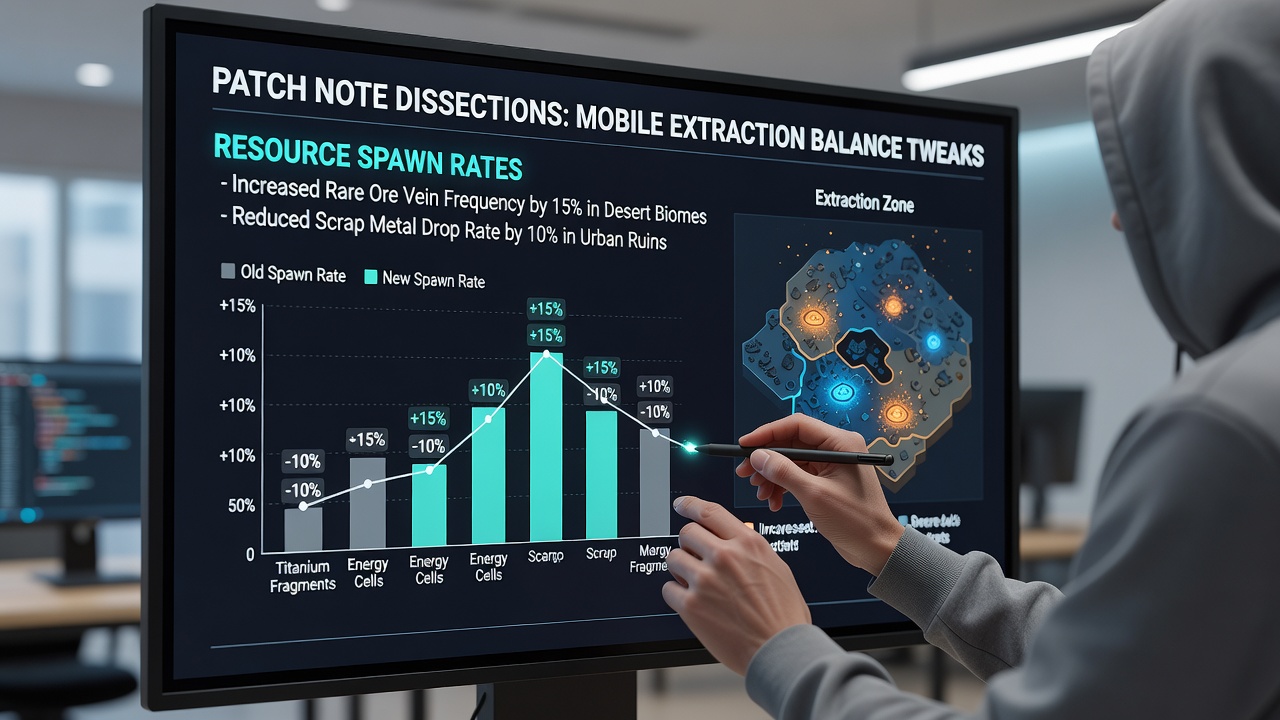
Additional October 2026 entries addressed seasonal event overlaps, where temporary resource boosts coincided with standard rate reductions to maintain equilibrium. Developers listed exact multipliers applied during these periods, and players who reviewed the notes adjusted loadouts accordingly before entering matches. Data shows that teams aware of the listed changes achieved higher average resource totals than those operating on outdated assumptions.
Player Adaptation Patterns Following Rate Adjustments
Once patch notes publish, extraction communities share route recalculations based on the new spawn probabilities, and this collective response appears in forum discussions and shared heatmaps. Rate increases in previously underutilized sectors draw traffic that redistributes conflict hotspots, while decreases in core zones reduce congestion and allow faster traversals for smaller squads. Observers note that these adaptations unfold within 48 hours of each update, and match statistics confirm the shifts through changes in zone visit frequencies.
Developers sometimes include explanatory sections alongside the numerical changes, detailing the intent behind each tweak without exposing proprietary algorithms. This transparency helps players understand why certain resources appear less often in high-traffic areas, and it reduces frustration when extraction runs yield lower totals than expected. Reports from industry research groups indicate that clear documentation correlates with sustained player retention across multiple seasons.
Long-Term Effects on Match Economics and Progression
Repeated spawn rate adjustments accumulate into larger shifts in overall resource economies, and cumulative data from 2025 through October 2026 demonstrates how successive tweaks stabilize or destabilize in-game markets. When rare components spawn less frequently, their trade values rise within player-driven exchanges, which in turn affects upgrade paths for weapons and gear. Analysts track these secondary effects through public leaderboards and inventory snapshots that reflect the downstream consequences of each patch.
External analysis from GamesIndustry.biz coverage of mobile titles shows that balanced spawn systems contribute to longer average session durations, because players spend more time exploring varied routes rather than repeating optimal farming loops. This pattern holds across different device types and regional servers, suggesting the tweaks exert consistent influence regardless of hardware variations.
Conclusion
Patch note dissections provide a structured lens for understanding how balance teams recalibrate resource spawn rates in mobile extraction shooters, and the documented changes directly shape movement patterns, conflict distribution, and economic flows within each title. Continued monitoring of these updates reveals recurring strategies that developers employ to maintain engagement across seasonal cycles, and the resulting data sets offer measurable insights into how small numerical adjustments scale into widespread gameplay shifts.